(801) 278-0840
Why Are My Teeth Different Colors?

By Cottonwood Dental | September 15, 2026
Have you ever looked closely at your smile and noticed that some teeth look whiter than others? Maybe one tooth appears slightly gray, while another looks yellow or brown. Uneven tooth color is common, and it does not always mean something is wrong.
Teeth naturally vary in shade because enamel thickness, dentin color, age, diet, oral hygiene, and past dental treatment can all affect how they look. However, a noticeable change in the color of one tooth deserves more attention than teeth that have always had slightly different shades.
What Causes Teeth to Look Different?
Several factors can create uneven color across your smile.
Natural Differences in Tooth Structure
Your teeth are not identical in thickness or shape. Enamel is the hard outer layer, while dentin underneath has a naturally yellowish tone. When enamel is thinner in certain areas, more of the underlying dentin can show through.
This can make some teeth appear warmer or darker than others, even when they are healthy.
Food and Drinks Can Leave Stains
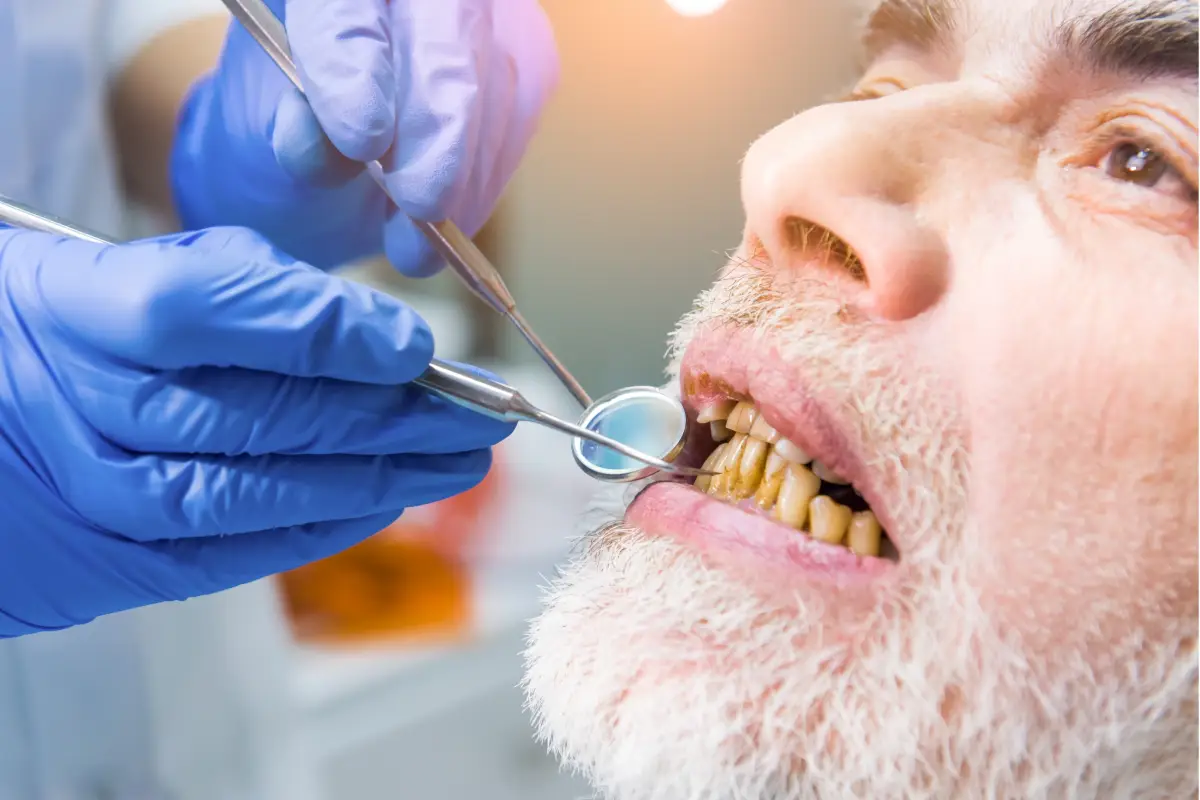
Coffee, tea, red wine, cola, berries, tomato based foods, and other deeply colored foods can gradually stain enamel. Tobacco use can also contribute to noticeable discoloration.
Surface stains often affect several teeth, although some areas may become darker depending on brushing habits and exposure.
Aging Can Change Your Smile
As you get older, enamel naturally becomes thinner. Dentin can become more visible, which may give teeth a more yellow or darker appearance.
Normal aging can also make existing stains more noticeable.
One Dark Tooth Can Have a Different Cause
If one tooth suddenly becomes gray, brown, or significantly darker than the teeth around it, do not assume it is simply a stain. A previous injury, decay, or changes inside the tooth can sometimes cause discoloration.
A dental professional can examine the tooth and determine whether the color change comes from the surface or from deeper within the tooth.
Can Different Colored Teeth Be Whitened?
That depends on why the teeth look different. Surface stains may respond well to professional whitening, while deeper discoloration may require another approach.
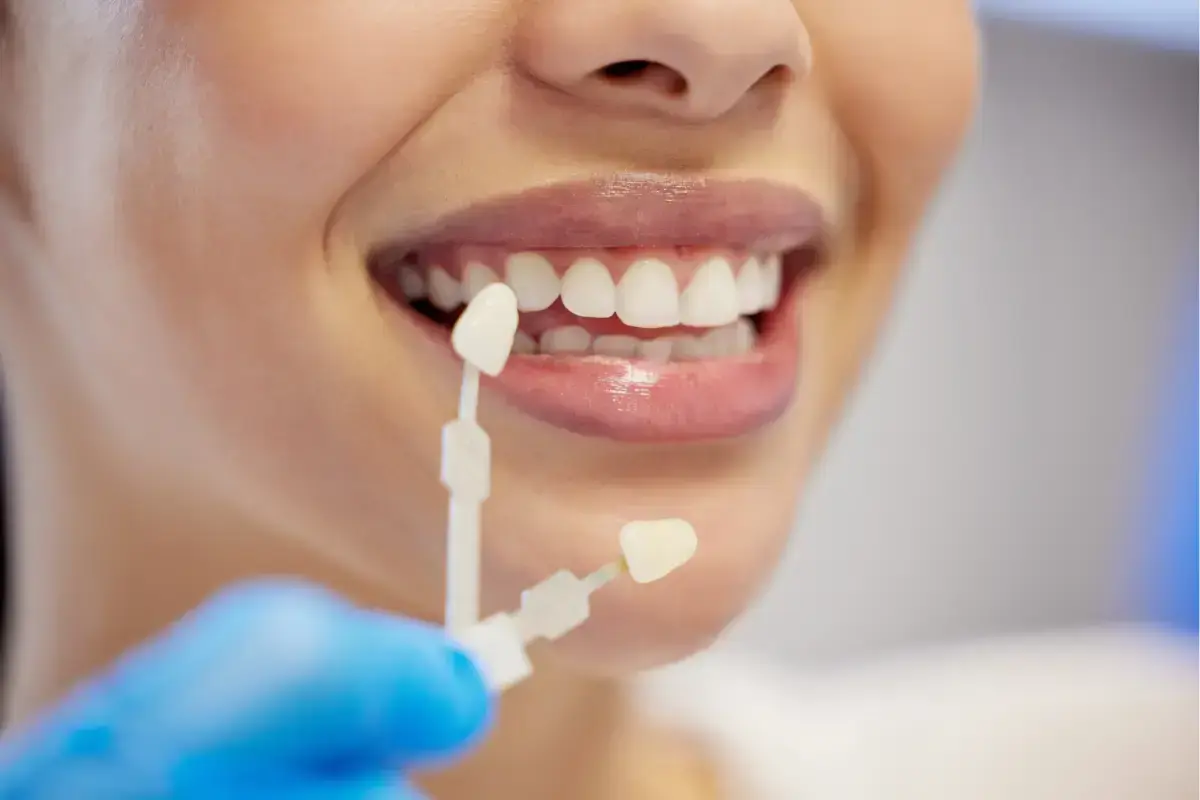
For people interested in improving several shades at once, smile improvement treatments can provide options based on the condition and appearance of the teeth. Whitening is not always the right solution for every type of discoloration, so identifying the cause first matters.
Using whitening products repeatedly without understanding the reason for discoloration can also lead to frustration. An oral health specialist can help determine whether whitening, restorative treatment, or simply better stain control makes sense for your smile.
When Should You Have a Dark Tooth Checked?
Make an appointment if a tooth changes color unexpectedly, particularly if you also notice pain, sensitivity, swelling, an unpleasant taste, or a change after an injury.
A professional examination can help identify the cause before the problem becomes more complicated. Even when there is no discomfort, a sudden change in one tooth is worth mentioning during your next dental visit.
Give Your Smile a Closer Look
If you have noticed uneven tooth color and want to understand what is behind it, Cottonwood Dental can help you explore your options. For patients in Salt Lake City, find the office on Google Maps and learn more about available care. When you are ready, visit Cottonwood Dental and schedule an appointment to discuss your concerns and find a suitable approach for your smile.
Frequently Asked Questions
1. Why are my teeth different shades of white?
Teeth can naturally vary because of differences in enamel thickness, dentin color, age, genetics, and staining.
2. Why is one tooth darker than the others?
A single darker tooth can result from staining, previous trauma, decay, or changes within the tooth. A dental examination can help identify the cause.
3. Can whitening make all my teeth the same color?
Not always. Whitening works best on certain types of discoloration. Existing fillings, crowns, veneers, and some deeper stains may not respond in the same way as natural enamel.
4. Are yellow teeth always unhealthy?
No. Natural dentin has a yellowish color, and thinner enamel can make that color more visible. However, new or unusual discoloration should be evaluated.