(801) 278-0840
Signs You Might Need a Root Canal and Why You Shouldn’t Wait


By Cottonwood Dental | March 12, 2025
Experiencing persistent tooth pain or sensitivity? It could be a sign that you need a root canal. Many people fear this procedure, but delaying treatment can lead to severe complications. Understanding the symptoms and the importance of timely care can help you preserve your natural teeth and avoid more invasive procedures down the road.
What is a Root Canal?
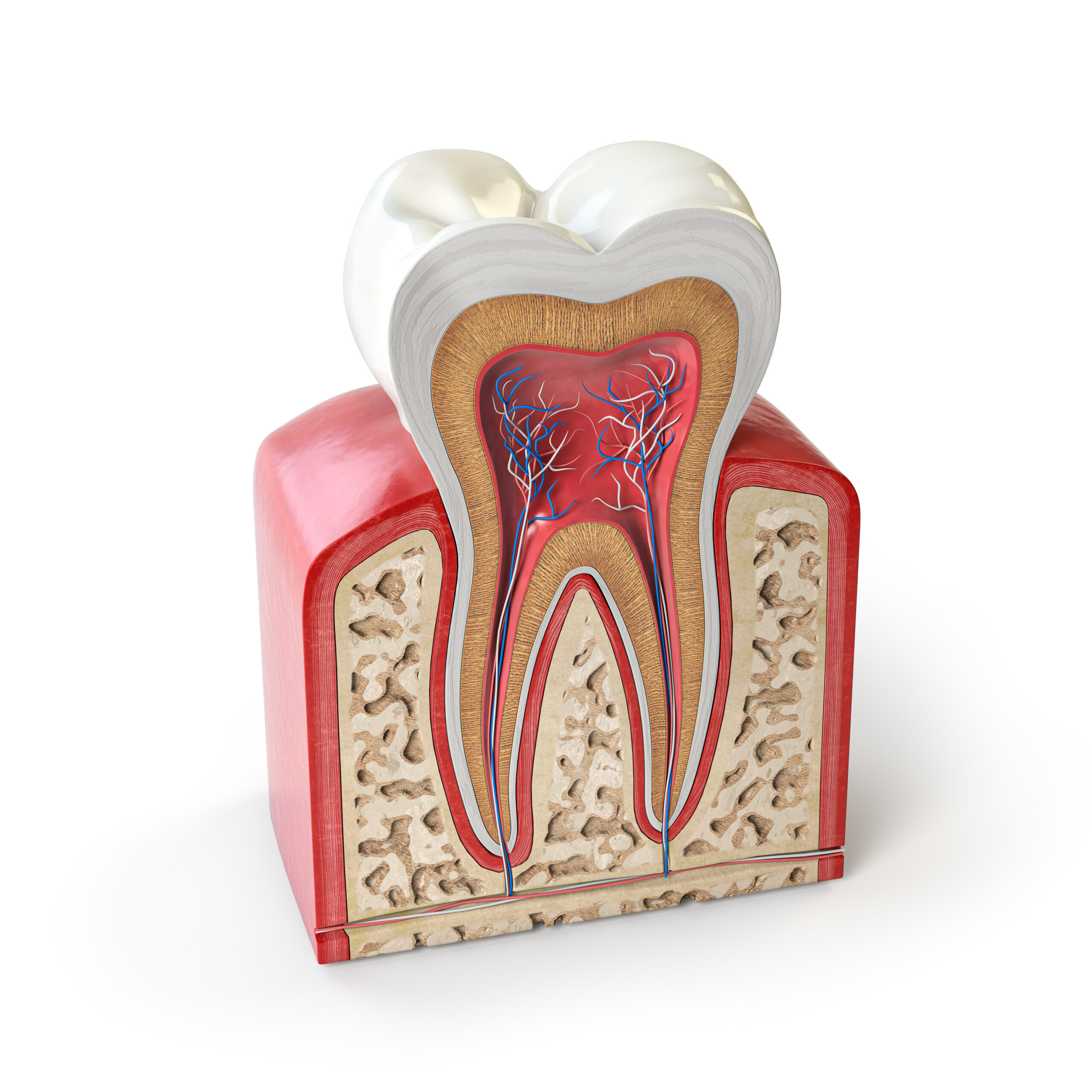
A root canal is a dental procedure designed to save a damaged or infected tooth. When the pulp inside a tooth becomes inflamed or infected due to deep decay, cracks, or trauma, a root canal is needed to remove the damaged tissue, clean the area, and seal it to prevent further infection. Contrary to common misconceptions, a root canal is a pain-relieving procedure rather than a painful one, thanks to modern dentistry techniques and anesthesia.
Why a Root Canal is Necessary
Ignoring dental pain or other warning signs can lead to serious oral health issues. If an infected tooth is left untreated, the infection can spread to surrounding tissues, potentially leading to abscesses, bone loss, or even systemic health problems. A root canal treatment can help preserve your natural tooth structure, restore function, and eliminate pain, preventing the need for more extensive dental work such as extractions and implants.
Signs You Might Need a Root Canal
Recognizing the early symptoms of an infected or damaged tooth can help you seek timely treatment. Here are some common signs that indicate you may need a root canal:
- Persistent Tooth Pain: Ongoing pain that worsens with chewing or pressure is a strong indicator of an issue within the tooth.
- Sensitivity to Hot or Cold: If you experience lingering sensitivity after consuming hot or cold foods, the nerves inside your tooth may be compromised.
- Swollen or Tender Gums: Inflammation around a specific tooth can signal an underlying infection.
- Darkening or Discoloration: A tooth that appears darker than the rest may indicate decay or nerve damage.
- Pimple on the Gums: A small bump near the affected tooth can be a sign of an abscess, requiring immediate attention.
- Deep Decay or Cracks: If a cavity or fracture reaches the tooth’s pulp, a root canal is often the best course of action to prevent further damage.
Benefits of Getting a Root Canal
Many people delay dental treatments out of fear, but getting a root canal in Salt Lake City offers several important benefits:
- Pain Relief: The procedure eliminates discomfort caused by infection or nerve damage.
- Tooth Preservation: A root canal saves your natural tooth, maintaining your smile and bite alignment.
- Prevention of Further Infection: Removing the infected tissue stops bacteria from spreading.
- Improved Oral and Overall Health: Addressing dental infections can help prevent complications such as bone loss or systemic infections.
- Restoration: A crown or filling is placed to restore the tooth’s function and strength.
Who is a Good Candidate for a Root Canal?
If you are experiencing any of the symptoms mentioned above, you may be a candidate for a root canal in Salt Lake City. The best way to determine your needs is by visiting a qualified dentist who can evaluate your condition and recommend the most appropriate treatment.
Don’t Wait – Seek Treatment Today
Ignoring dental issues can lead to severe complications. If you suspect you may need a root canal, don’t wait. Our dental office provides a comfortable and welcoming environment for your dental needs.Seeking timely treatment can relieve pain, preserve your tooth, and protect your overall health. Request an appointment with our trusted root canal in Salt Lake City specialist today to ensure your smile stays healthy and strong.