(801) 278-0840
Why Did My Tooth Suddenly Split While Chewing?


By Cottonwood Dental | August 5, 2026
Biting into something ordinary, maybe a piece of bread or a bite of dinner, and suddenly feeling or hearing a crack is unsettling, especially when there wasn’t any obvious warning sign beforehand. A tooth split while chewing can happen seemingly out of nowhere, leaving you wondering how something so sudden could occur without any prior pain or discomfort. The truth is, most of these fractures have been building up quietly for a while before that final bite pushed things over the edge.
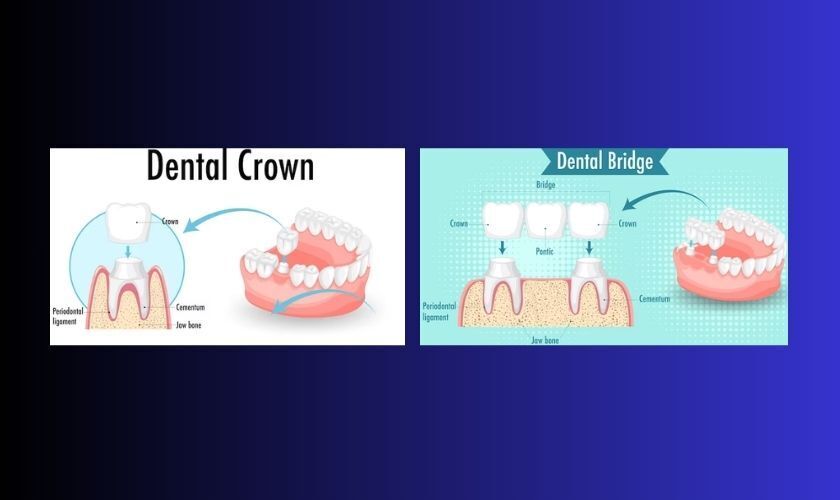
If this just happened to you, know that a split tooth is more common than you might think, and there are clear reasons behind why it occurs. Understanding what led to the fracture can also help you figure out what kind of treatment might be needed to fix it. Restorative treatments such as crowns and bridges can help protect damaged teeth and restore normal function, depending on the extent of the fracture.
What Causes a Tooth to Split While Chewing?
A tooth doesn’t usually crack out of nowhere. In most cases, there’s an underlying weakness that finally gives way under normal biting pressure. Common broken tooth causes include:
- Untreated cavities: Decay hollows out the inside of a tooth, leaving a thin, fragile shell that can fracture under pressure.
- Large or aging fillings: Teeth with big fillings have less natural structure supporting them, making a fracture more likely over time.
- Teeth grinding or clenching: Repeated pressure from grinding, especially while sleeping, gradually creates small cracks that eventually worsen.
- Root canal treated teeth: Teeth that have undergone root canal treatment may be more susceptible to fracture because the tooth has already lost some of its natural structure.
- Biting on hard foods: Ice, hard candies, or nuts can be the final straw for a tooth that was already weakened.
Why It Can Feel So Sudden
The reason it feels like it “came out of nowhere” is that a lot of these underlying issues don’t cause pain until the tooth actually fractures. A hairline crack or internal decay can sit quietly for months or even years without any noticeable symptoms, which is why regular dental checkups matter even when nothing feels wrong.
Signs You’re Dealing With a Cracked Tooth
Sometimes it’s obvious right away, but other times the signs are more subtle. Watch for:
- Sharp pain when biting down, followed by the pain easing up
- Sensitivity to hot, cold, or sweet foods that comes and goes
- Visible discomfort around a specific tooth without a clear cause
- A rough edge or jagged feeling when you run your tongue over the area
- Swelling or tenderness in the gum near the affected tooth
If any of these sound familiar, it’s worth having the tooth evaluated even if the pain isn’t constant.
How Is a Split Tooth Treated?
Treatment for a tooth fracture depends heavily on how deep the crack goes and whether it’s reached the tooth’s nerve. Some of the most common approaches include:
- Dental bonding: For minor cracks that haven’t affected the tooth’s structural integrity, bonding can smooth and seal the area.
- Dental crown: When a larger portion of the tooth is compromised, a crown covers and protects what remains, restoring strength for normal chewing.
- Root canal followed by a crown: If the crack has reached the nerve, a root canal may be needed first to address the internal damage, followed by a crown for protection.
- Extraction: In cases where the crack extends below the gumline or splits the tooth vertically into the root, removal may unfortunately be the only option, followed by a replacement like a bridge or implant.
Getting an accurate diagnosis early on really does make a difference in how much of your natural tooth can be saved. If you’re dealing with sudden tooth pain or think you might have a cracked tooth, contact Cottonwood Dental and we’ll help determine what’s going on and the best way forward.
Restore a Damaged Tooth With the Right Care
A tooth splitting while chewing can feel alarming, but in most cases, it’s the result of a weakness that had been building for a while before that final bite. At Cottonwood Dental, our team takes the time to determine the extent of the damage and recommend treatment based on how much natural tooth structure can be preserved. If you’re in the Salt Lake City area and dealing with a cracked or split tooth, visit our dental office in Salt Lake City so we can evaluate the problem and help you get back to chewing comfortably.
Frequently Asked Questions
1. Why did my tooth crack without any pain beforehand?
Many cracks develop gradually from things like grinding, decay, or old fillings, and they often don’t cause noticeable pain until the fracture actually happens. This is why the crack can feel sudden even though it was forming for a while.
2. Can a cracked tooth heal on its own?
No, unlike bones, teeth cannot heal themselves once cracked. A cracked tooth needs to be evaluated and treated by a dentist to prevent the damage from worsening.
3. Is a split tooth always painful?
Not always right away. Some cracks cause sharp, intermittent pain, especially when biting down, while others may not hurt much until the crack progresses further.
4. What happens if a cracked tooth is left untreated?
An untreated crack can worsen over time, potentially reaching the nerve, causing infection, or splitting further, which may reduce the chances of saving the tooth.
5. Will I need a root canal for a cracked tooth?
It depends on how deep the crack is. If it has reached the tooth’s nerve, a root canal is typically needed before placing a crown to protect and restore the tooth.