
(801) 278-0840
Why Do My Teeth Feel Rough Even After Brushing?

By Cottonwood Dental | July 9, 2026
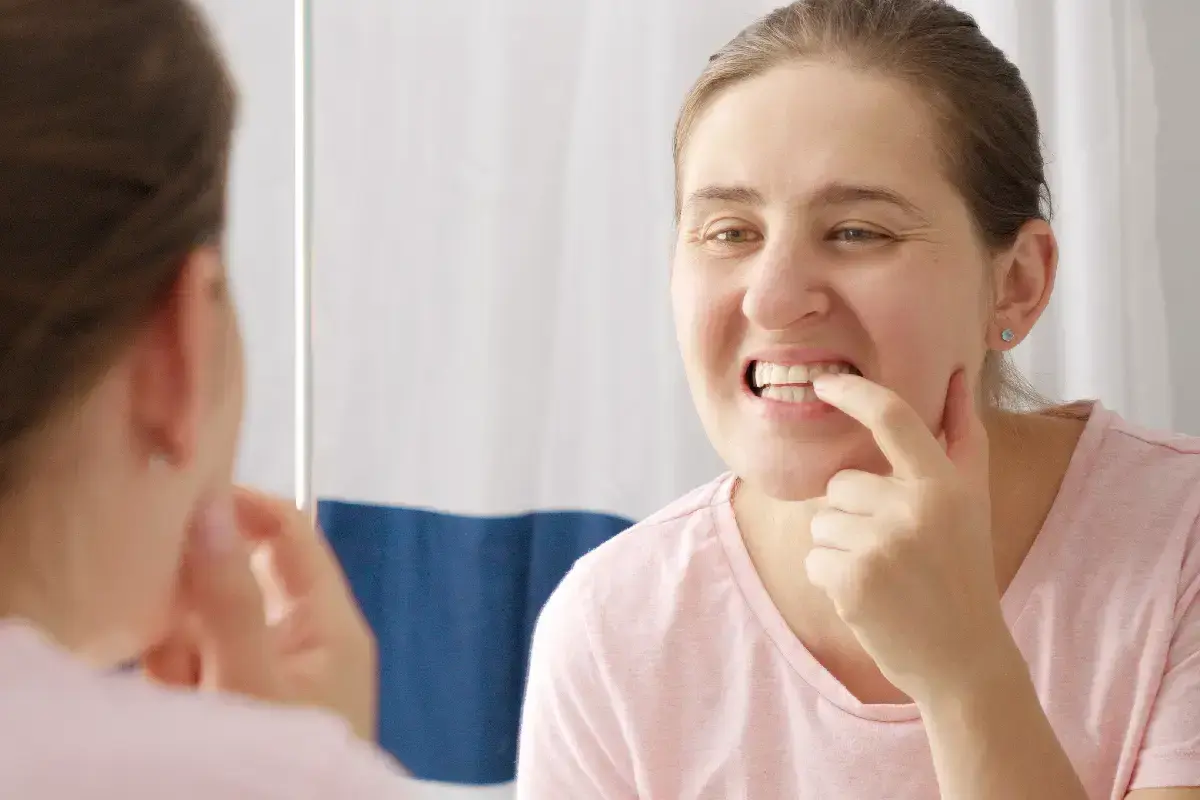
You just finished brushing, but when you run your tongue over your teeth, something still feels off, maybe a little gritty, uneven, or just not as smooth as it should be. If your teeth feel rough after brushing on a regular basis, it’s not something to brush off. There’s usually a specific reason your teeth aren’t feeling as clean as they look.
At Cottonwood Dental, this is a question that comes up more often than people expect, and the answer usually comes down to one of a few common culprits. In many cases, a professional dental cleaning is all that’s needed to remove stubborn plaque and tartar buildup that brushing alone can’t eliminate.
Plaque Buildup That Brushing Missed
Plaque is a soft, sticky film of bacteria that forms on teeth constantly throughout the day. When brushing doesn’t fully remove it, especially along the gumline or in harder-to-reach spots toward the back of the mouth, that plaque buildup can leave a rough, filmy texture behind even after you’ve just brushed. Certain areas, like the inner surfaces of the lower front teeth or the back molars, are notorious for getting missed during a quick brushing routine.
Tartar That’s Already Hardened
If plaque isn’t removed regularly, it can harden into tartar, also called calculus, within a matter of days. Once that happens, no amount of brushing at home will remove it, since tartar bonds firmly to the tooth surface. This is one of the most common reasons teeth not smooth even after brushing continues to be a problem, and it’s also why regular professional cleanings matter so much, since only dental instruments can safely remove hardened tartar.
Enamel Erosion
Acidic foods and drinks, frequent snacking, or conditions like acid reflux can gradually wear away the smooth outer layer of enamel. As enamel erodes, the tooth surface can develop a slightly uneven or rough texture, sometimes accompanied by increased sensitivity to hot or cold. This tends to happen gradually, so it’s easy to miss until the roughness becomes noticeable.
Still noticing a rough or gritty feeling after brushing? Schedule a dental exam so we can identify the cause and recommend the right treatment to restore a clean, healthy tooth surface.
Old or Worn Dental Work
Fillings, crowns, or bonding that have been in place for a while can start to wear unevenly compared to natural tooth structure. Edges can become slightly rough or catch on your tongue, especially if the restoration is reaching the end of its expected lifespan.
Dry Mouth
Saliva plays an important role in keeping the surface of your teeth smooth and washing away debris throughout the day. Reduced saliva flow, whether from medication, dehydration, or breathing through your mouth at night, can leave teeth feeling more textured or filmy than usual, even shortly after a good brushing session.
Brushing Technique Itself
It might sound counterintuitive, but brushing too hard or using a worn-out toothbrush can sometimes leave enamel feeling rough rather than smooth, particularly if it’s contributing to minor surface erosion over time. A soft-bristled brush with gentle, consistent pressure is generally more effective and gentler on enamel than scrubbing harder.
When It’s More Than Just a Texture Issue
Rough teeth are sometimes simply a sign that a deeper cleaning is due, but they can occasionally point to early decay, especially if the roughness is localized to one specific tooth or spot rather than spread evenly. If you notice any discoloration alongside the rough texture, it’s worth having it checked sooner rather than later.
What Actually Fixes It
In most cases, a professional cleaning resolves the issue by removing tartar and plaque buildup that a toothbrush simply can’t reach on its own. If enamel erosion or worn dental work turns out to be the cause, your dentist can recommend the right next step, whether that’s a fluoride treatment, dietary adjustments, or updating an old restoration.
Get Back to That Fresh, Clean Feeling
If your teeth continue to feel rough even after brushing, it could be a sign of tartar buildup, enamel changes, or another underlying dental concern. Identifying the cause early can help prevent more serious problems and keep your teeth feeling their best. At Cottonwood Dental, we’re proud to help patients throughout Salt Lake City, UT maintain healthy teeth with personalized preventive care. Visit our Salt Lake City dental office if your teeth haven’t been feeling as smooth as they should, and let our team help restore that clean, fresh feeling.
FAQs
Why do my teeth still feel rough after brushing?
Rough teeth after brushing are often caused by plaque that wasn’t fully removed, hardened tartar, enamel erosion, or worn dental restorations.
Can brushing remove tartar?
No. Once plaque hardens into tartar, it can only be removed during a professional dental cleaning.
Can rough teeth be a sign of a cavity?
Yes. If the roughness is limited to one tooth or is accompanied by discoloration or sensitivity, it could indicate early tooth decay and should be evaluated.
Will a professional dental cleaning make my teeth feel smooth again?
In many cases, yes. Removing plaque and tartar buildup during a professional cleaning restores the smooth surface of your teeth.
When should I see a dentist if my teeth feel rough?
If the rough feeling doesn’t go away after brushing or flossing, or if it’s accompanied by sensitivity, pain, or visible discoloration, it’s time to schedule a dental evaluation.